
Resilient Vaccine Development

Hybrid Architectures for Long-Range Dependency Modelling in mRNA

Engineered messenger Ribonucleic Acids (mRNAs) have become a dependable platform for advanced therapeutics and vaccines, offering rapid design, scalable manufacturing, and flexible modes of administration. Their use is transforming the development of targeted treatments and preventive interventions across a wide range of diseases. The length of mRNA sequences can vary greatly, ranging from a few nucleotides to several thousand. This variation presents a significant challenge in accurately modelling long-range dependencies, which are essential for understanding functional and structural characteristics.
Intractābilis has developed a novel foundation model capable of representing complete mRNA sequences with high fidelity. The model employs a multi-stage pre-training strategy that overcomes the limitations of task-specific specialisation. Its hybrid architecture supports long sequence processing with fine-grained resolution while preserving the precise representation of coding regions.
By integrating advanced sequence modelling methods with a carefully designed pre-training pipeline, this approach delivers greater robustness and efficiency. When applied to downstream tasks such as predicting translation efficiency and stability, the model consistently outperforms existing methods. Its applicability spans both clinical research and industrial manufacturing, enabling more accurate, scalable, and cost-effective mRNA-based solutions.
Quantum-Enabled Epitope Prediction
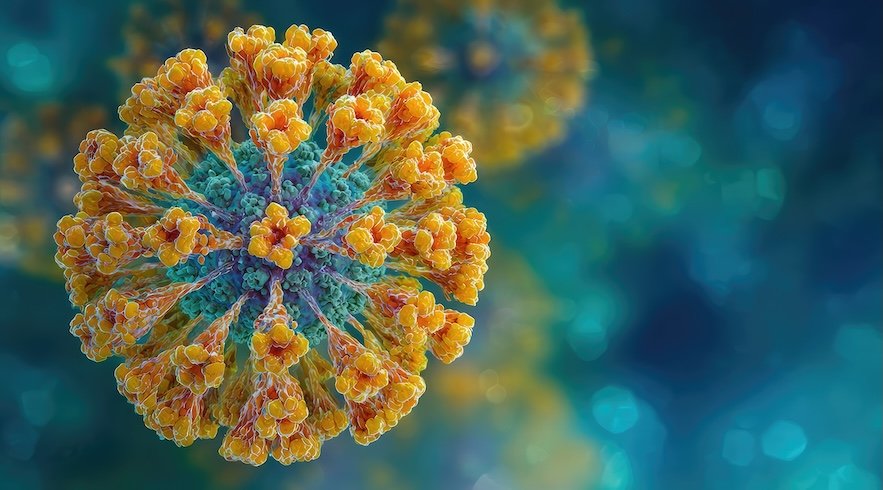
Epitopes are distinct molecular regions on an antigen that are recognised by immune cell receptors or antibodies, initiating a targeted immune response. Identifying these regions is vital for advancing immunological research. Experimental methods remain both time-intensive and costly. Classical computational approaches also face significant challenges, as the complexity of biological data can limit their predictive power.
Intractābilis has introduced an advanced quantum-enabled protocol designed to predict epitopes with exceptional precision. This approach integrates physicochemical propensity scales, such as hydrophilicity and antigenicity, with sequence and structural features to determine the most relevant epitopes for vaccine development. The framework incorporates problem loaders, reduction processes, and supporting modules to construct problem instances optimally suited to quantum processing.
The solution applies Variational Quantum Algorithms, using a carefully formulated cost function mapped to a quantum circuit. This innovation addresses a fundamental challenge in immunology, providing a powerful tool for vaccine design, diagnostic development, and therapeutic formulation. By combining the principles of quantum computing with deep biological insight, this technology offers the potential to accelerate discovery while maintaining a high level of accuracy and reliability.
Ready to Work Together?
© 2025 Intractābilis